Your industry

changes the project.

AI use cases by industry.

An agent that reads construction tender documents and one that plans a yacht refit share the technology and nothing else.

We work in seven industries, and in each one the project starts somewhere different.

Industries

Why your industry changes an AI project

From one industry to the next, the technology looks much the same; the project does not. What changes is where the bottleneck is, what data already exists and in what order it makes sense to tackle it.

Anyone who brings the same proposal to a construction company, a shipyard and a professional firm is selling technology, not results. In the construction company the bottleneck is in the documents (tenders, contracts, site minutes), and the dashboards can wait. In the shipyard it is in the planning, because every refit is a different project. And in the professional firm it is in its own archive: fifteen years of reports and proposals that nobody consults, because searching them takes longer than writing them again.

All three projects may end up using the same kind of system. None of the three starts in the same place. And getting the entry point wrong is the most common reason an AI project never reaches production.

7industries we work in
+50companies have hired us for a project
2020the year we started working with data and AI


The same product, three different projects

An AI agent is the same technology in all three cases. Look at it in three industries and you will see three projects that have nothing in common.

Construction

Where does an agent start in a construction company?

In the documents. A tender pack runs to hundreds of pages, and the conditions that matter are scattered through it. Site minutes travel back and forth between the office and the site. The first useful agent reads, finds and flags; the numbers come later.

Yachting

And in a shipyard?

In the planning. Every yacht refit is a different project, with its own suppliers and deadlines. The record of previous work is written down and never consulted. Here the first agent matches what was done on earlier jobs against what is being quoted now.

Professional services

And in a consultancy?

In the archive. Here the document does not support the business: it is what the business sells. Fifteen years of reports and proposals, stored and unread, because searching them takes longer than asking the partner who was there. The first agent brings back what the firm has already written, with the document alongside.

The seven industries

We have delivered projects in all seven. What changes from one to the next is not how much we know, but where it makes sense to start.

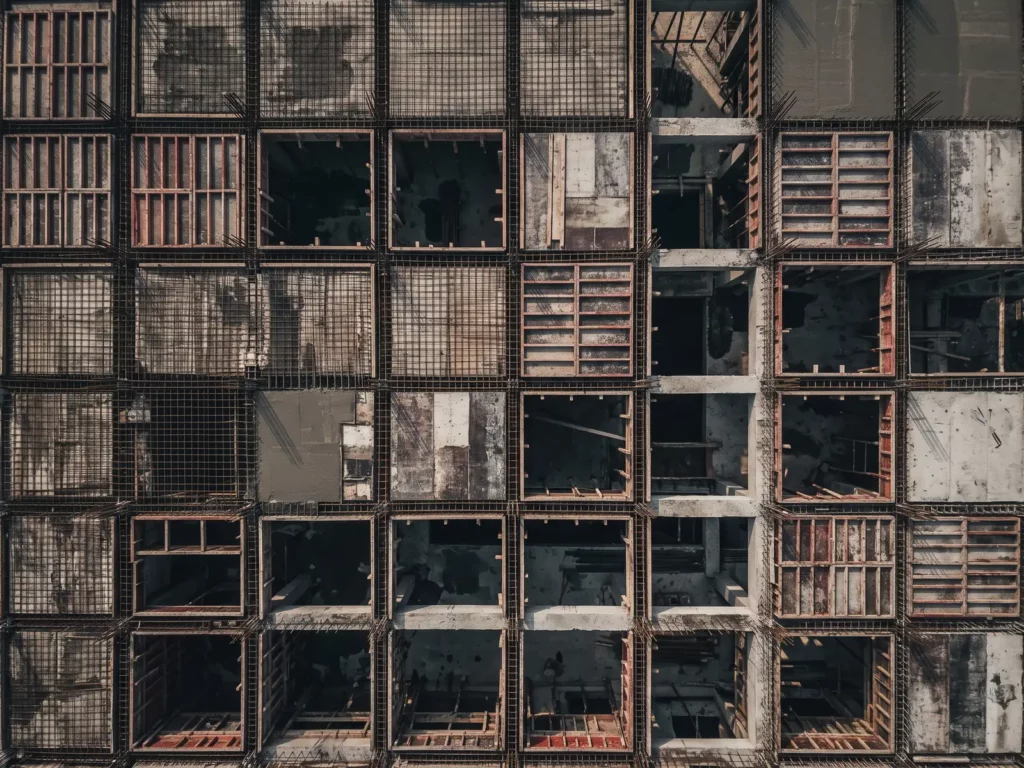
Overhead view of the grid of a floor slab under construction.
01

Construction & engineering

Monthly valuations, cost overruns by project and the paperwork that shuttles between the office and the site. Here AI usually starts in the documents, not in the dashboards.

See the industry
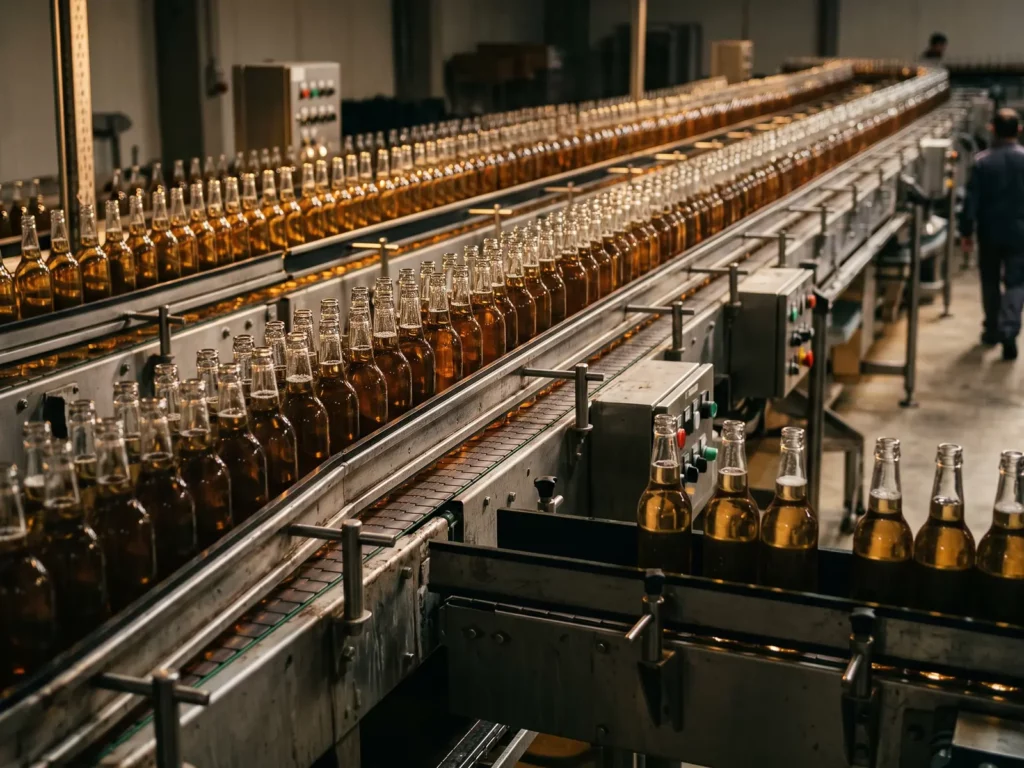
Overhead view of a food production line.
02

Manufacturing & food

Maintenance before the breakdown, batch traceability and waste. It is the industry where plant data already exists and is almost never matched against what it costs.

See the industry
Overhead view of the tables on a restaurant terrace.
03

Travel & hospitality

Occupancy forecasts, pricing and the conversation with guests in several languages, at any hour and without keeping anyone waiting.

See the industry
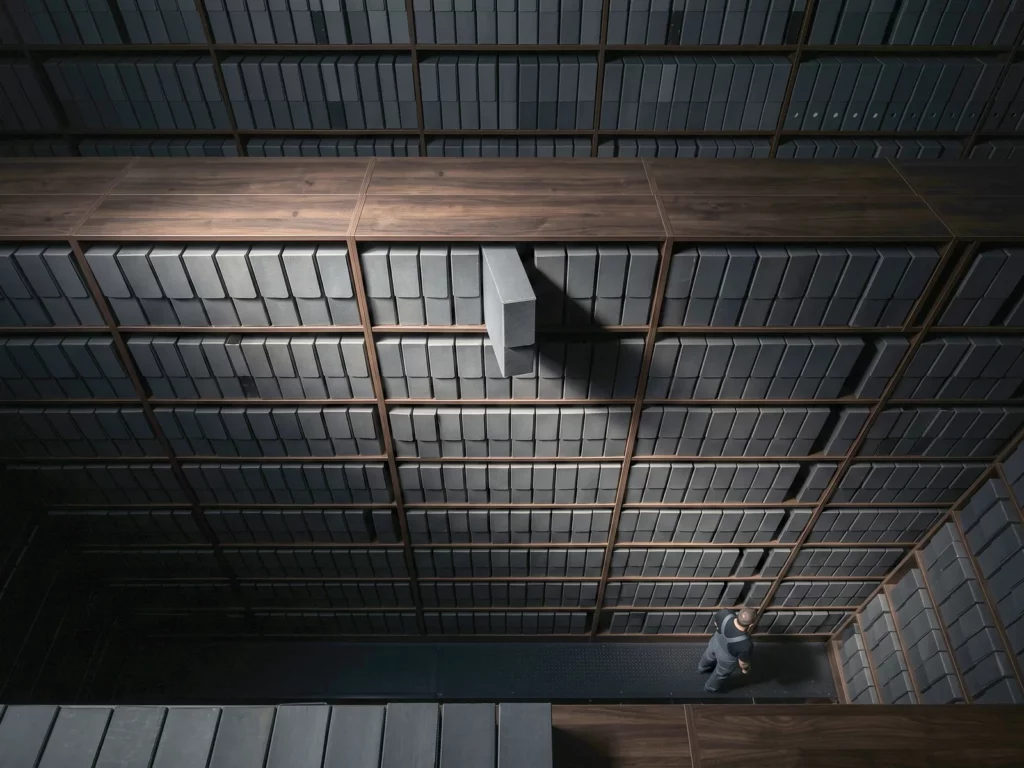
Aerial overhead view of a wall of identical archive boxes on dark wooden shelves, one box pulled out of its row and a tiny figure in the background.
04

Professional services

Consultancies, advisory firms and practices where the product being sold is the document: reports, opinions and proposals that repeat what has already been written. It is the industry where the firm's own archive is worth more than any new system.

See the industry
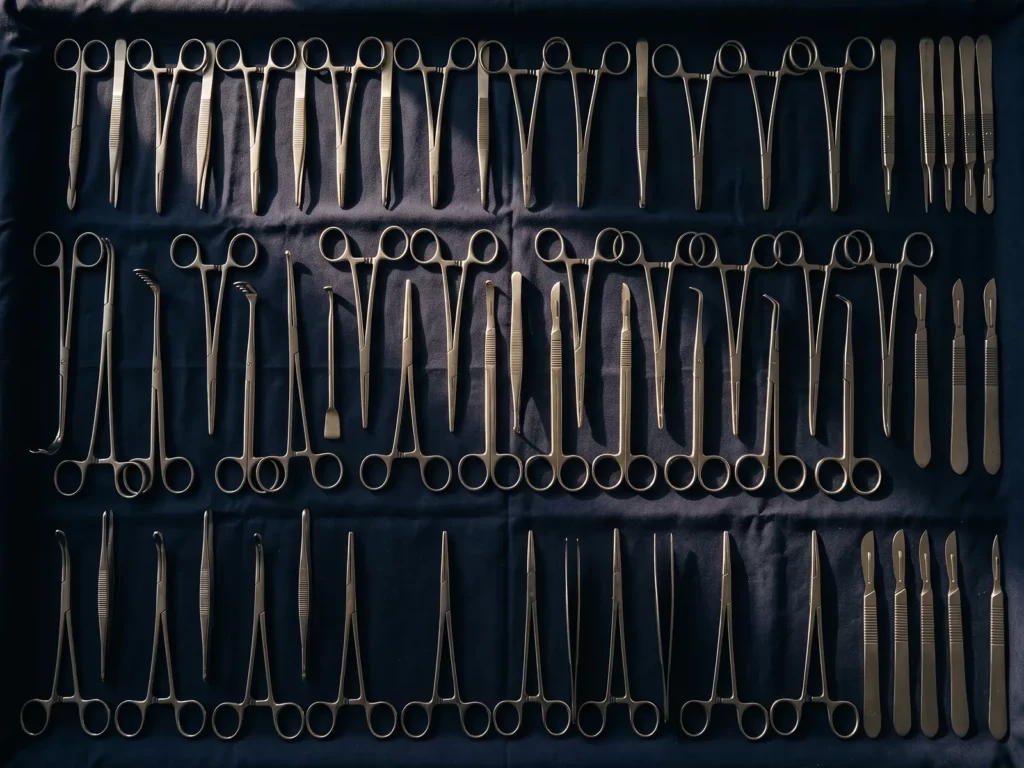
Overhead view of surgical instruments laid out on a navy-blue cloth.
05

Healthcare

Sensitive data and traceability. The first decision is not which model to use, but where the information stays and who can see what.

See the industry
Overhead view of boats on the hard-standing of a boatyard.
06

Yachting & marine

Shipyards, marinas, clubs and service companies: refits that are badly planned, berths managed by hand and a record of past work that nobody consults. It is where you notice first whether the people in front of you have ever been inside a shipyard.

See the industry
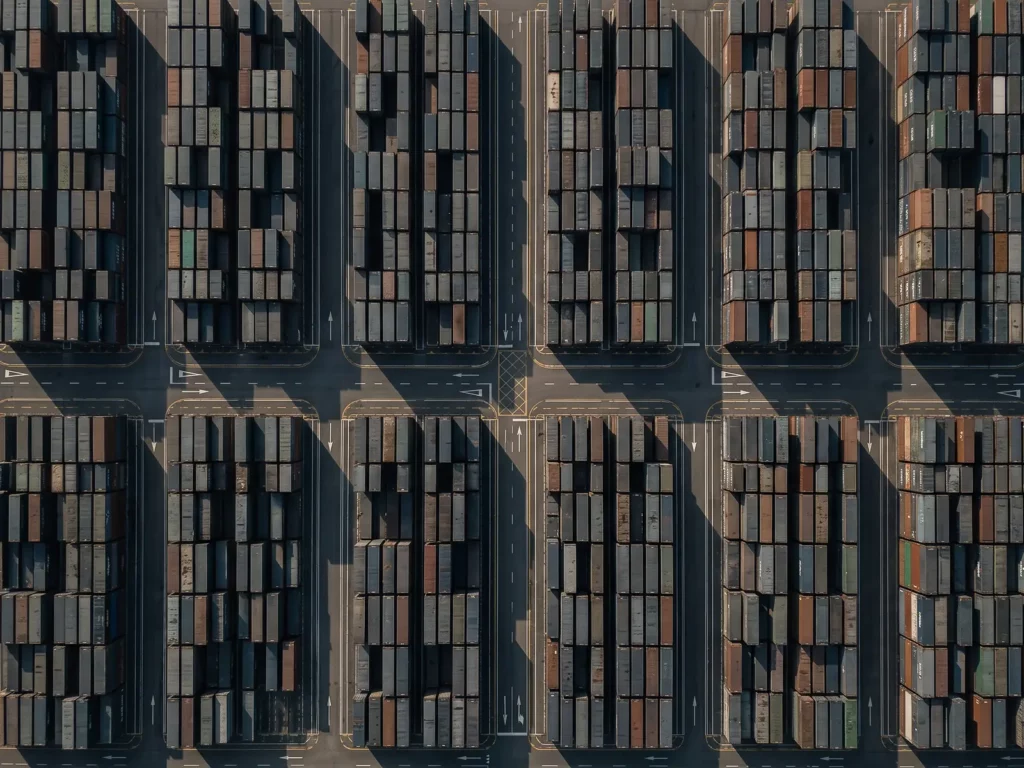
Overhead view of container stacks at a logistics terminal.
07

Logistics & supply chain

Stock that is calculated rather than estimated, lead times and routes, and orders that arrive by email and are typed in by hand. It is where an agent pays off soonest.

See the industry

What does not change from one industry to another

Your industry decides the entry point. The method is the same in all seven, and it starts before anyone writes a line of code.

  1. 1

    Choose a process, not ‘AI’

    The first meeting is not about technology. It is about which specific process hurts, what it costs today and who suffers it. A project that starts with ‘we want to do something with AI’ has no way of finishing.

  2. 2

    Check that the data holds up

    Before building anything on top, we look at whether the data you need exists, where it lives and what state it is in. It is the part nobody wants to pay for, and the one that decides whether everything else stands up.

  3. 3

    Agree how it will be measured

    Which number has to move, and by how much, stated before the work starts. Without that, the end of the project becomes an argument about opinions.

  4. 4

    Build it and connect it to what you already use

    The system has to live inside your ERP, your email and your tools. A polished demo that is connected to nothing has not solved a single process.

  5. 5

    Supervision that loosens with evidence

    At first a person reviews everything the system proposes. Supervision is relaxed as the results justify it, not on the date the plan said.

Not on the list

What if your industry is not one of the seven

These seven are the ones with their own page, not the only ones where we work. What carries over from one industry to another is not the project: it is the method.

Among the more than 50 companies that have hired us for a project there are also public sector, education, technology and financial services organisations. They do not have their own page for a simple reason. We have not yet delivered enough there to write something concrete, and we would rather say so than fill the space.

If you are in one of them, the honest thing is to tell you what changes. The method carries over, and so do the data infrastructure and the judgement about what to automate first. Knowledge of the process does not carry over, and you are the one who has it. In practice, a project in an industry that is new to us spends more time understanding what hurts and why. And less time copying what worked for another client. Whether you are in the seven or outside them, the starting point is the same: a discovery session to decide what to tackle first and in what order.

What we build, in any of the seven

The same seven products in all seven industries. What changes from one to the next is which one comes first and what gets built with it.

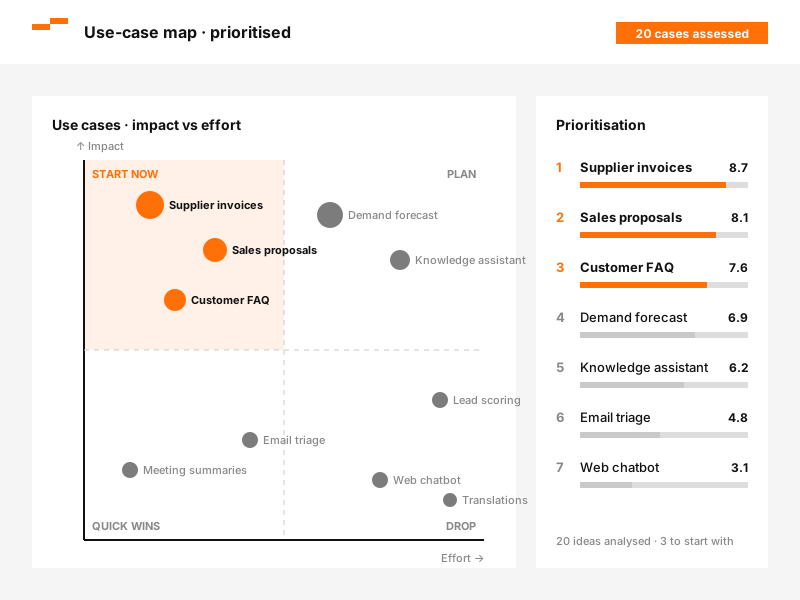
Mockup: Use-case map · prioritised
01

AI consulting

Assessment, use cases ranked by return, and a roadmap. It decides the order of everything else, and that order looks nothing alike in a construction company and in a distributor.

See the product
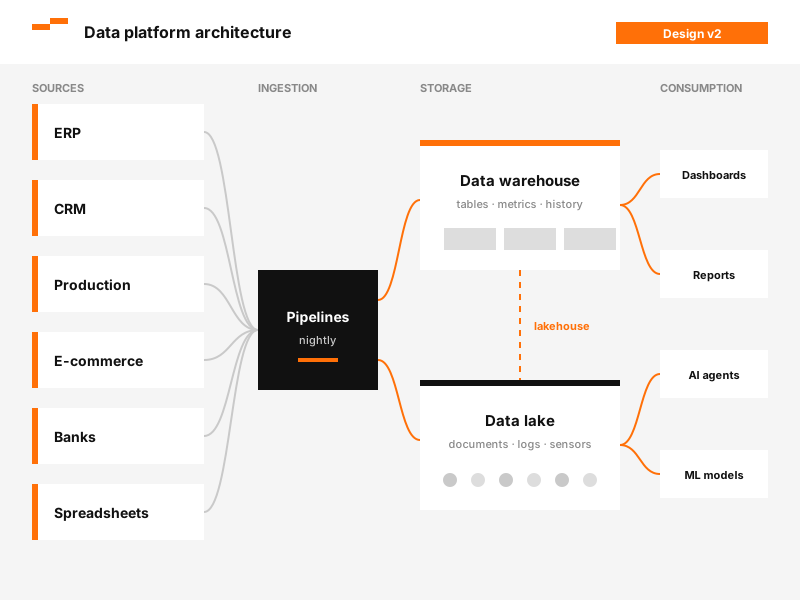
Mockup: Data platform architecture
02

Data platforms

Data warehouse, data lake, automated loads, quality and governance. In healthcare it is the first project, because without it nothing gets approved. In manufacturing it comes third, when plant, ERP and stock systems have to be joined up.

See the product
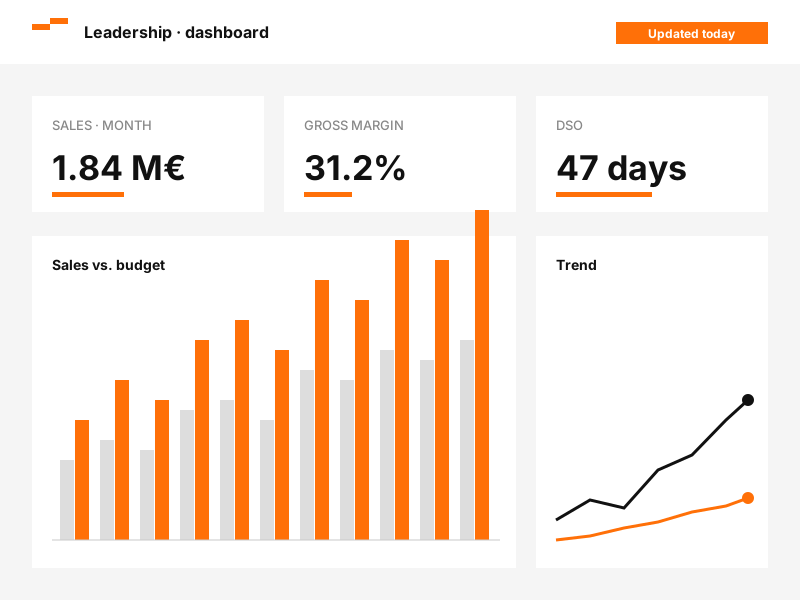
Mockup: Leadership · dashboard
03

Business Intelligence

Dashboards by role and the figure everyone trusts. In a plant it means putting a price on downtime; in a professional firm, actual hours against billed hours by type of engagement.

See the product
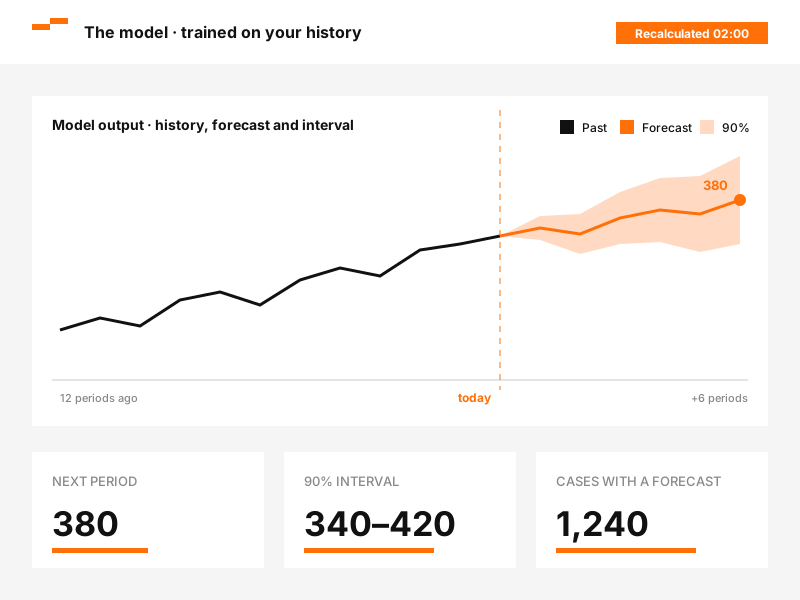
Mockup: The model · trained on your history
04

Machine Learning

Models that predict from your own history. In distribution they calculate minimum stock using the lead time the supplier actually delivers; in travel, occupancy for the coming weeks with its margin of error.

See the product
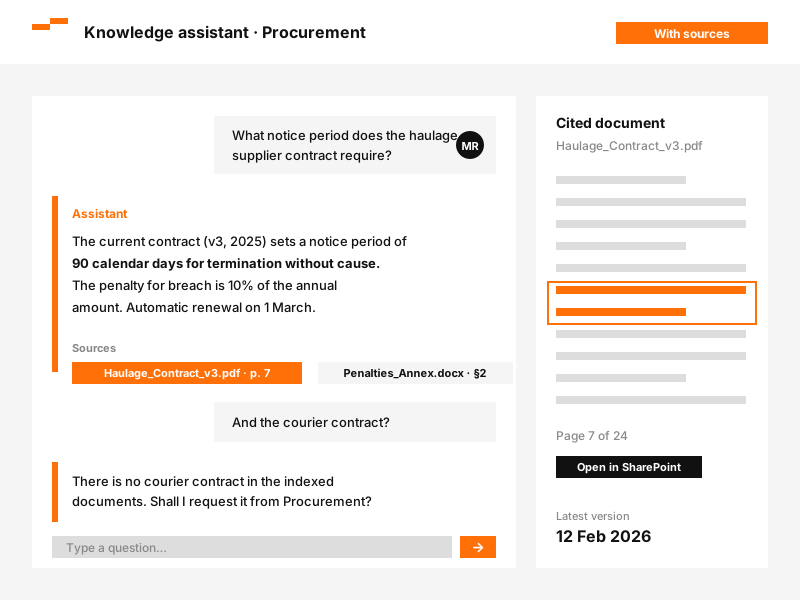
Mockup: Knowledge assistant · Procurement
05

AI knowledge base

Ask your documents and get the answer with the source alongside. Tender documents in construction, haul-out reports in yachting, regulatory files in healthcare: the same system and three vocabularies.

See the product
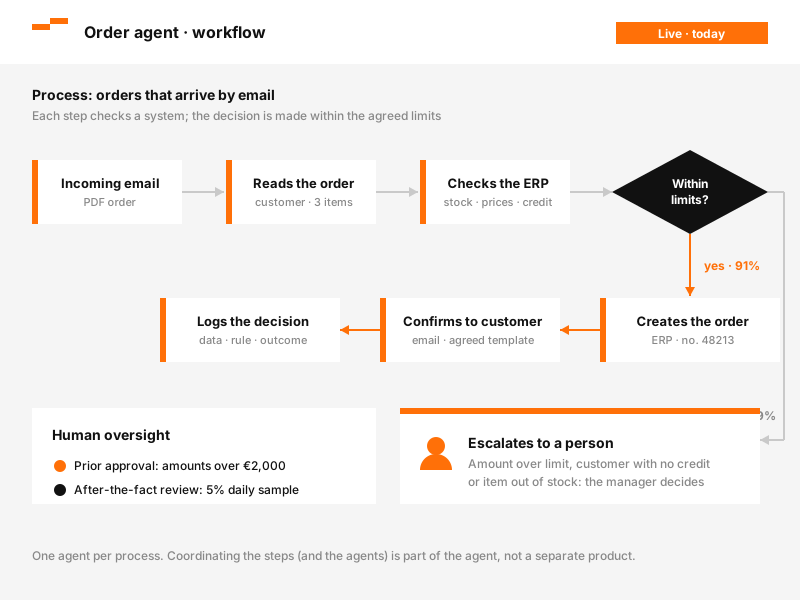
Mockup: Order agent · workflow
06

AI agents

Business tasks carried out end to end, with supervision where it matters. Orders arriving by email in distribution, guest service in five languages in travel, daily site reports in construction.

See the product
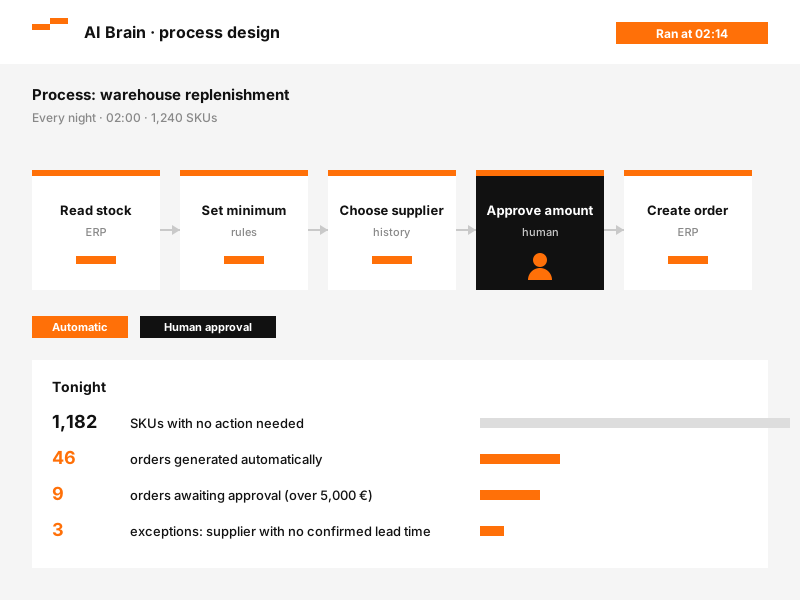
Mockup: AI Brain · process design
07

AI workflow automation

Complete processes that reason over your data, decide and run. The monthly valuation on a building project, restocking a warehouse, the administrative month-end close.

See the product

Frequently asked questions

Let's talk about your project
Why these seven industries and not others?

Because they are the seven where we have delivered enough projects to say something concrete. The list does not come from a market study; it comes from counting the industries of the more than 50 companies that have hired us for a project. Two of them, yachting and professional services, are narrow industries with their own vocabulary, where hardly anyone does this yet. They have a page anyway, because there knowledge of the industry matters more than the technology.

Does our data need to be in order before we start?

It does not need to be in order; you need to know what there is. The second phase of every project we run is checking whether the data the process needs exists, where it lives and what state it is in. Quite often the data is already there and only needs matching against what it costs. In other cases, the first delivery of the project is building that link.

Where do we start if I don't know what I need?

With a discovery session. A conversation about which processes hurt, and a short list of use cases ranked by what each one costs and what it returns. That gives you the entry point, which is different in each industry. If you would rather look before talking, your industry's page says where projects usually start.

How long before we see something?

It depends on the process, not the industry. And in all seven the first result is the same: one specific process running under human supervision, with its number agreed in advance. Not a finished system. Anyone who gives you a timeline before looking at your data is giving you a date, not a plan.

Are you an AI consultancy or a data consultancy?

Both, and the order matters. Most AI projects that never reach production do not fail because of the model. They fail because there was no data platform underneath to hold them up. We build both layers, and in each industry we decide which one to tackle first.

My company fits two of the seven. Which one should I look at?

It happens more often than you would think: a distributor with its own workshop, a construction company with a precast plant, a yacht club that is also a hospitality business. Look at the industry where the process that hurts most sits, not the one that best describes your company. The bottleneck decides the entry point, not the label, and the discovery session fine-tunes it.