Travel & hospitality
What AI changes in travel and hospitality
In hospitality the problem is not the volume of data, it is response time. What price to set, how many staff to put on the rota, what to reply to whom: these are today's decisions, and the information arrives late.
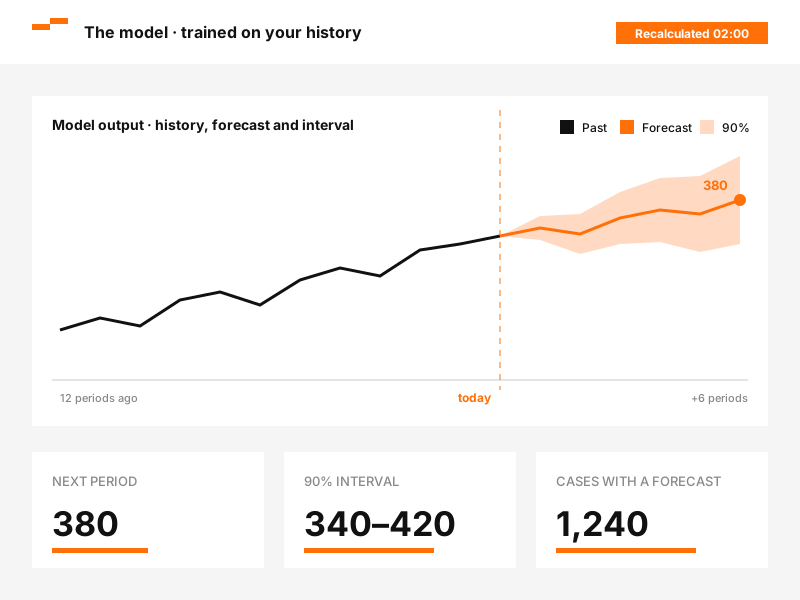
A hotel has several years of booking history, the calendar of local events and the data from its sales channels. With that, occupancy for the coming weeks can be anticipated far better than by looking at last year's, which is what happens when there is no time. A restaurant has the same problem with covers and with purchasing. It orders out of habit, and the waste shows up in the following month's recipe costing.
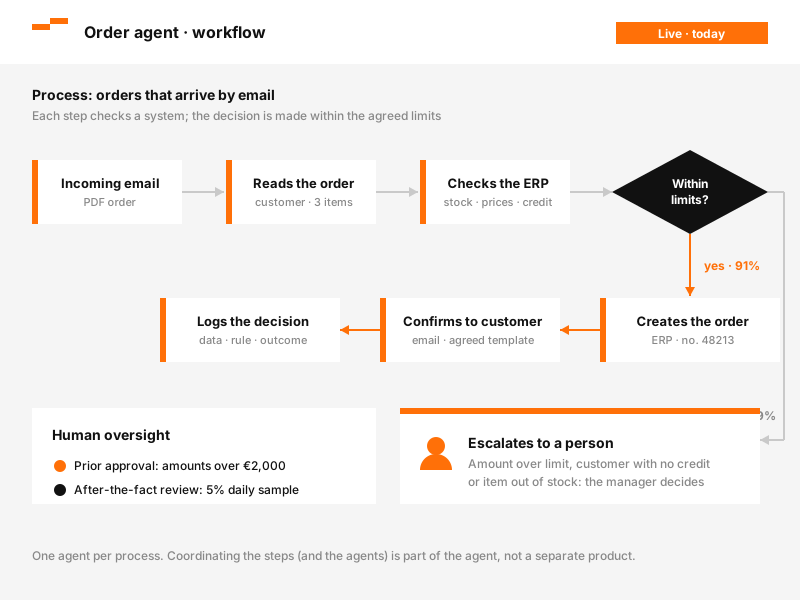
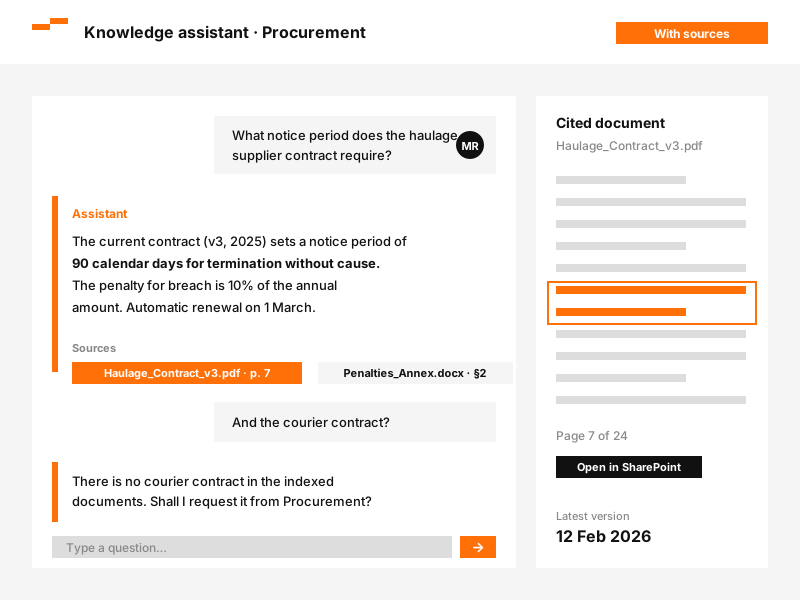
The second front is the conversation. Availability, terms, how to get there, what is nearby: the questions arrive at eleven at night, in five languages and through four different channels. Answering them quickly and well is exactly the work where an agent earns its keep. And here the difference between replying in a minute and replying tomorrow is a booking.
24hours a day in which guests send questions
5languages that are usual in a high-season conversation
4channels the same question comes in through: email, web form, messaging and the OTA